
🌺देवी पूजा Goddess Worship
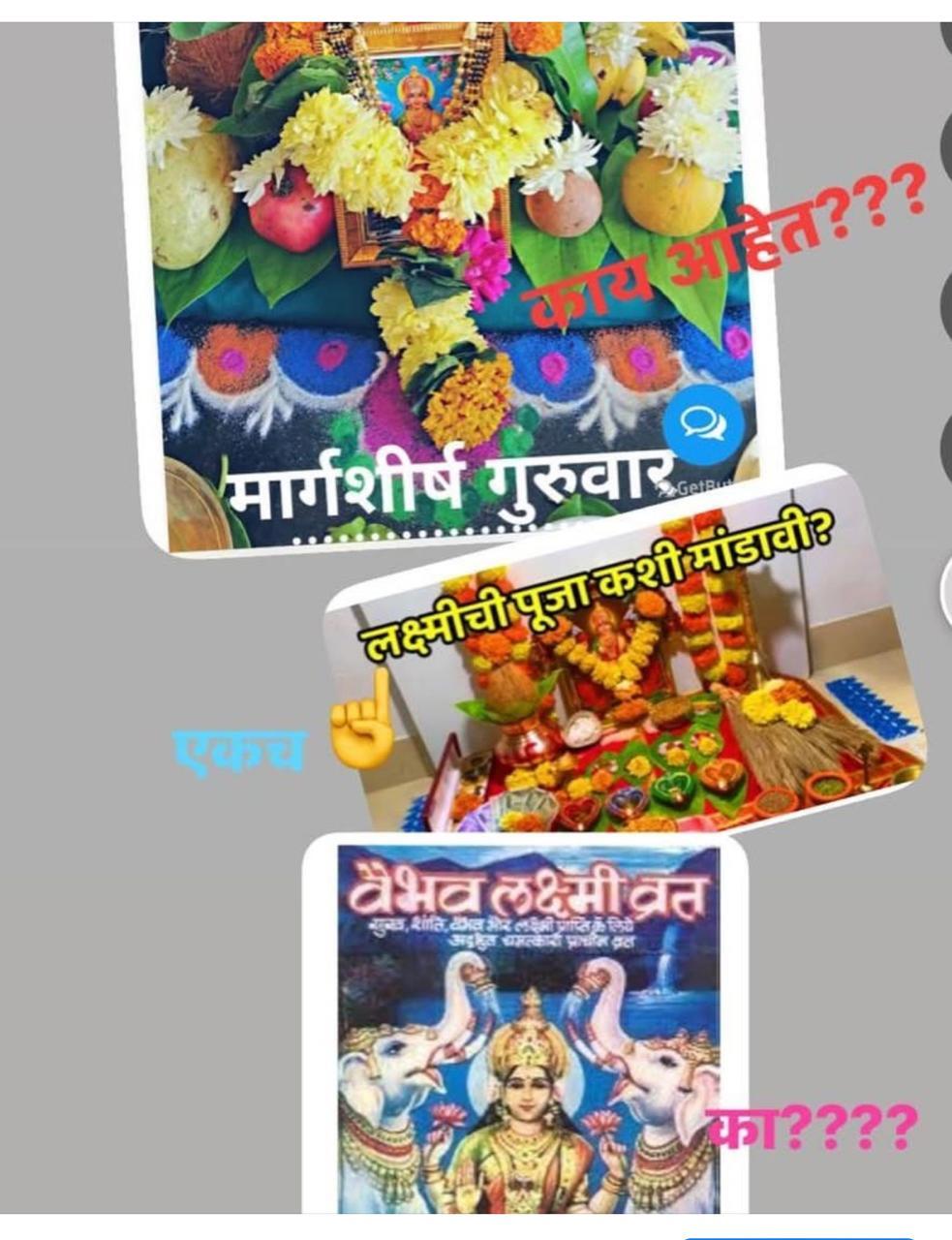
🌺 Goddess Worship🌺
Worship of the Goddess is an अत्यंत पवित्र (extremely sacred), radiant, and disciplined spiritual practice bound by strict rules. Since the Goddess is the presiding force of righteousness (Dharma), gaining her grace requires purity of mind, purity in conduct, and heartfelt devotion. Simply tying a thread or walking barefoot does not please the Goddess—true spiritual discipline and the light of virtues are essential.
While worship of Rajasic forms of the Goddess is relatively easier, the worship of Tamasic forms is extremely rigorous, involving a perfect combination of rituals such as yajna (sacred fire rituals), homa, offerings (naivedya), and strict observance of rules.
🌸 Lakshmi Worship — The Great Ritual (Maha Pujan) 🌸
Lakshmi is the presiding deity of prosperity and wealth (Shri).
We usually worship her in her Rajasic form because every being desires happiness and prosperity. But what is the true, scripturally correct Lakshmi worship? Lord Vishnu himself permits Lakshmi worship especially during the sacred occasion of Diwali. Therefore, Lakshmi Puja performed during Diwali is considered the most pure and authentic.
In this worship:
✨ Cleanliness
✨ Auspicious attire
✨ Offerings like milk, coconut water, festive food
✨ Lamps (deepa) and sugar sweets (battase)
—these awaken prosperity and auspiciousness in the home.
🌼 Vaibhav Lakshmi Vrat — Worship of Determination and Resolve 🌼
Vaibhav Lakshmi is not direct worship of Lakshmi, but a vow (vrat) performed as a spiritual discipline.
In this, Lakshmi’s glory is described in various forms—symbolizing wealth, strength, and abundance. This practice emphasizes yantra worship and includes:
🕉 Avoidance of impure foods
🕉 Maintaining purity in conduct
🕉 Self-restraint
Through these, inner impurities are reduced. Observances on Thursdays are guided by Guru (Jupiter), and on Saturdays by Shani (Saturn), helping purify actions and thoughts.
🌕 Margashirsha Mahalakshmi Worship 🌕
The month of Margashirsha is considered especially blessed by the Goddess.
After Diwali, prosperity increases in the household. To preserve and sanctify wealth, women traditionally place jewelry and valuables in a sacred pot (kalash), which symbolizes the divine form of the Goddess, often represented with a coconut.
This worship includes:
✨ Protective worship of Mahalakshmi
✨ Protective aspect of Mahakali
✨ Knowledge-bestowing aspect of Mahasaraswati
—thus honoring the combined power of these three divine energies.
Thursday is considered the day of Guru (the spiritual teacher), associated with protection, guidance, and grace. Therefore, Lakshmi worship during Margashirsha is believed to bring Guru’s blessings.
After Margashirsha, the month of Paush is considered less favorable for such rituals. Hence, festivals like Diwali, Vaikuntha Ekadashi, and Margashirsha observances help preserve wealth, family happiness, and virtuous living.
🌟 Conclusion (Essence) 🌟
Vaibhav Lakshmi Vrat, Thursday observances, and Margashirsha rituals are divine practices that invoke Lakshmi’s protection, preservation, and grace.
These vows are not merely rituals—they are a path toward living with a pure mind, noble thoughts, and a life filled with devotion.